Illustrative Scenarios
These scenarios are illustrative examples based on common patterns and challenges in small agricultural businesses. They show how the program concepts apply across different rural contexts.
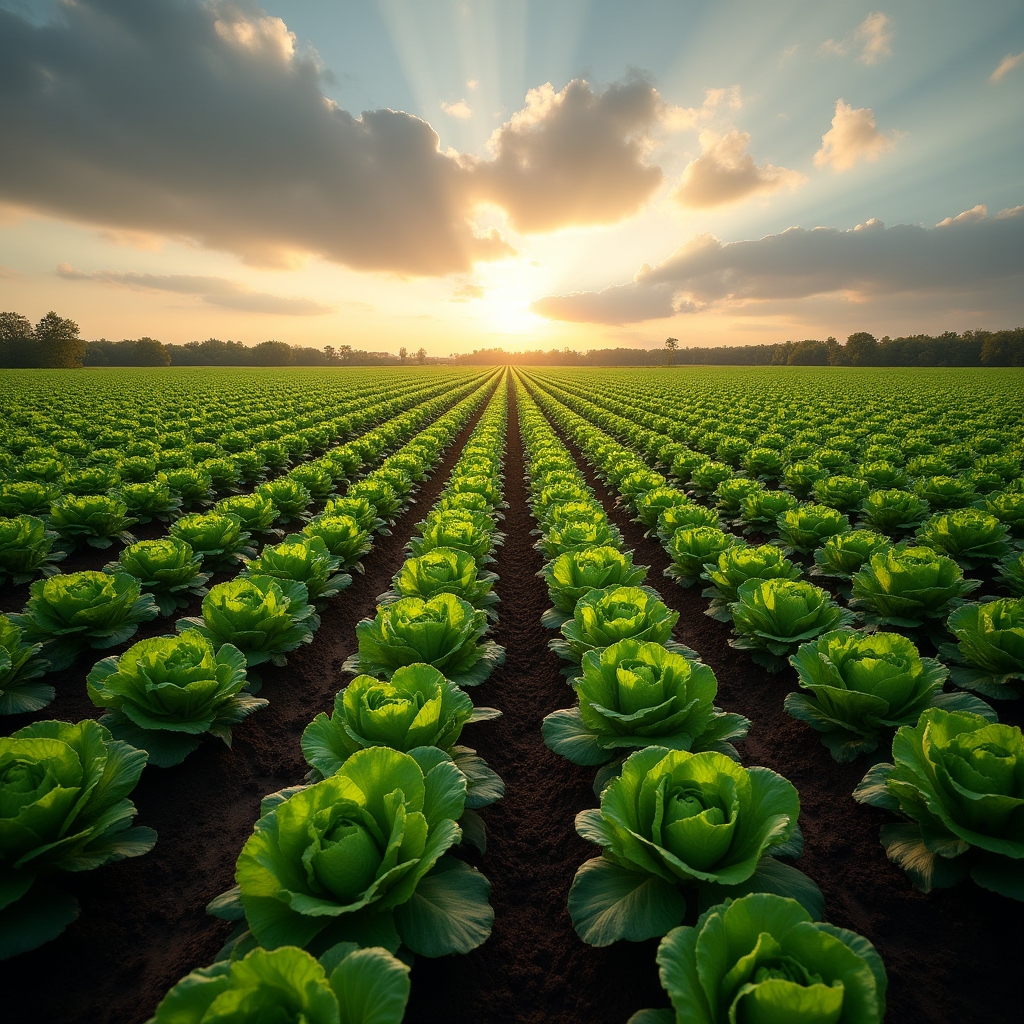 Market garden scenario
From Memory to Record: A Vegetable Grower
Imagine a family running a small market garden near Szczecin. They grow around fifteen varieties of vegetables on two hectares and sell at a weekly farmers market as well as directly to three local restaurants. Every season, they know roughly how much they grew and sold, but the numbers live in their heads. When the eldest daughter asks how much income the tomatoes brought in last year compared to the zucchini, no one can answer precisely.
After completing modules one and two of the program, a family like this would have a simple production log capturing planting dates, row counts, harvest volumes, and estimated yield per variety. The restaurant orders would be noted in a customer sheet. By the second season, they would have enough data to make an informed choice about which crops to expand and which to reduce.
The tools used would be a shared Google Sheet accessed from the market on a phone, and a printed backup version kept in the kitchen. No subscription. No training beyond the module exercises.
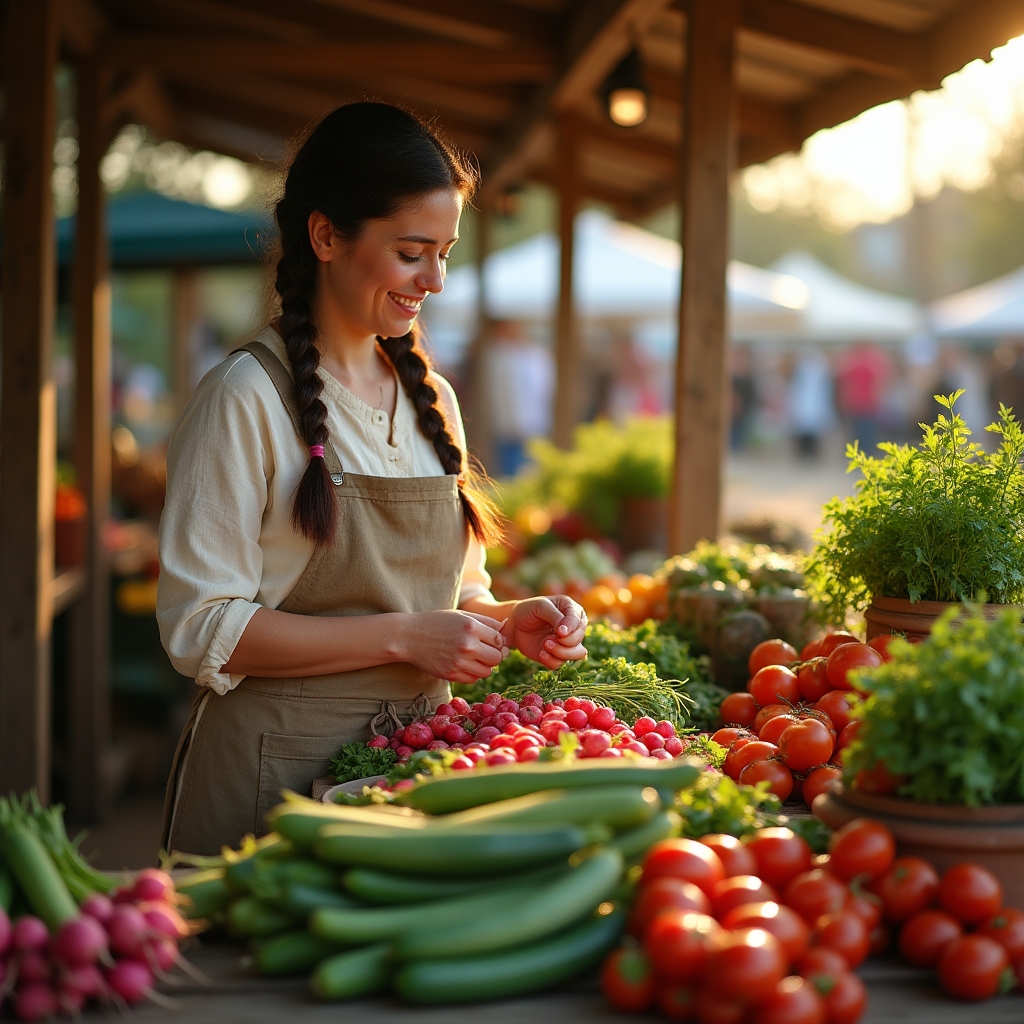 Market vendor scenario
Building a Customer List from Market Conversations
Consider a honey producer who attends four different markets each month. They recognize their regular buyers by face and know what each person usually purchases. But when a loyal customer moves away or stops coming, that relationship and buying history disappears completely. There is no record to look back on, and no way to notify regular buyers about a new product or a particularly good batch.
Module three of the program addresses exactly this situation. A simple contact sheet, kept in a notes app on a phone, can capture name, market location, typical purchase, and any notes about preferences. Over time, this becomes a genuine customer database requiring no software beyond what already exists on any smartphone.
The scenario also illustrates how this information changes the way a producer plans production. Knowing that a regular customer always buys linden honey and has mentioned wanting beeswax candles is the kind of signal that shapes what to produce next season.
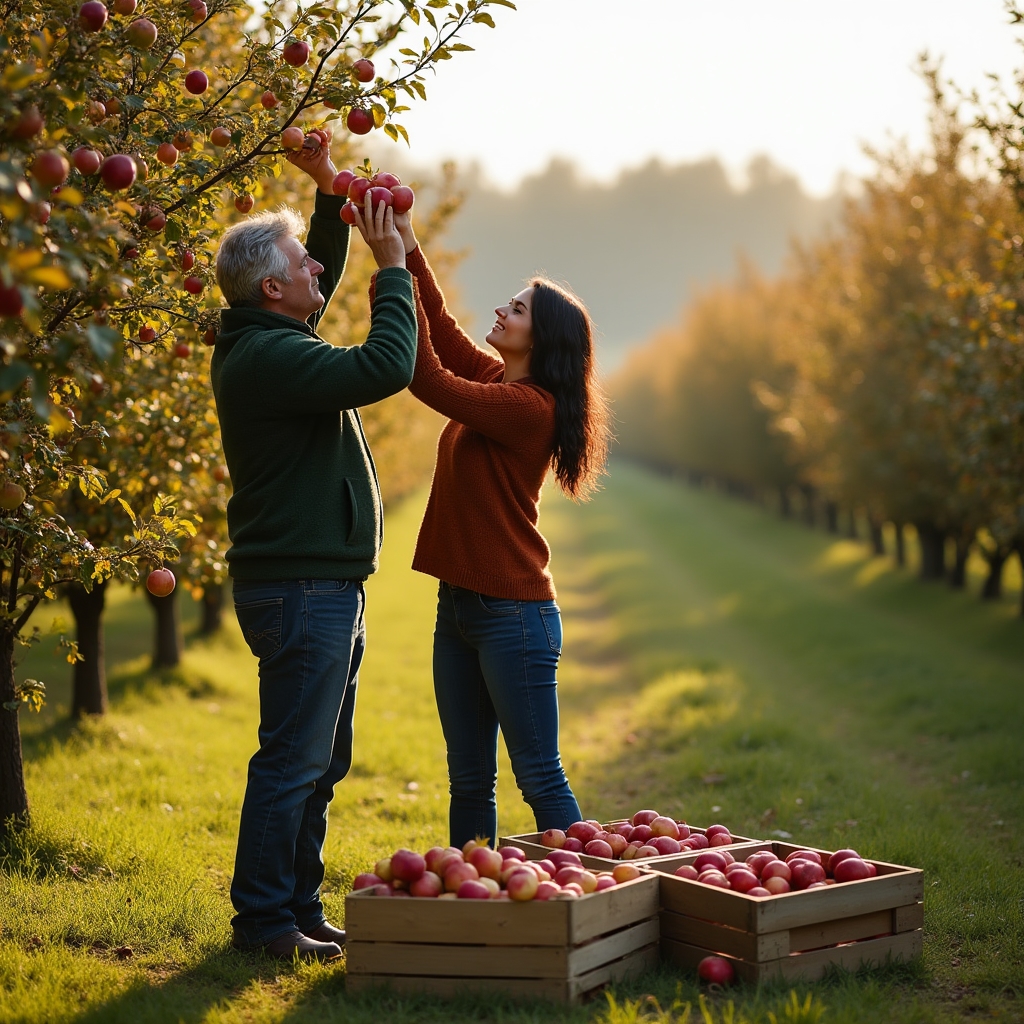 Orchard operation scenario
Seasonal Planning with Simple Summaries
An apple orchard with twelve varieties and seasonal labor presents a different kind of challenge. The owner knows the orchard well but struggles to explain to a bank or a grant committee what the business actually produces and sells across a year. The records exist in fragments, on receipts and in memory, but there has never been a coherent seasonal summary.
Module four of the program teaches how to build that summary from whatever records already exist. Starting from memory, sales slips, and any notes on hand, participants learn to construct a rough but readable picture of one growing season. It is not accounting. It is organized storytelling about what happened on the farm.
In this scenario, the act of building the first summary reveals which variety yields the most volume per tree and which generates the most revenue despite smaller yields. That information, now recorded and readable, becomes the basis for pruning decisions and variety planning in subsequent years.
Recognize Your Situation?
These scenarios are designed to feel familiar. If your farm or rural business operates the way these examples describe, the program was built with you in mind. Contact us to learn more about participation.
Get in Touch