Built from the Ground Up
Kafigu Zotoyo did not start in a tech incubator. It started with a question: why do rural producers get left behind when digital tools become the norm?
Where the Idea Came From
In the villages and small towns surrounding Szczecin, there are hundreds of small agricultural operations that have been running for generations. A family dairy. A vegetable grower supplying local restaurants. A honey producer who sells at weekend markets. These businesses are productive and resilient. But they operate almost entirely on paper, memory, and informal trust.
When digital tools started entering urban business life, the gap between city businesses and rural ones widened. Software companies built products for scale, not for a single person managing thirty rows of beetroot. The tools that did exist required training, subscriptions, and reliable internet access that simply does not exist everywhere.
Kafigu Zotoyo was created to close that gap. The program does not try to turn farmers into software users. It shows them how existing habits and knowledge can be recorded digitally with minimal friction and maximum usefulness.
 Where it begins
Principles Behind the Program
Practicality First
Every method taught in the program was tested with real producers in real conditions. If it does not work in a barn with a basic smartphone and spotty signal, it is not in the curriculum.
Education, Not Sales
The program does not promote specific software brands or platforms. It teaches principles and skills that apply regardless of which free tool a participant chooses to use.
Appropriate Scale
A single-person farm does not need the same system as a cooperative with fifty members. The program helps each participant identify the right level of digital organization for their actual size and needs.
Rooted in Rural Reality
Seasonal rhythms, family labor, informal sales relationships, and limited connectivity are not problems to solve. They are conditions to design around. The program respects how rural businesses actually operate.
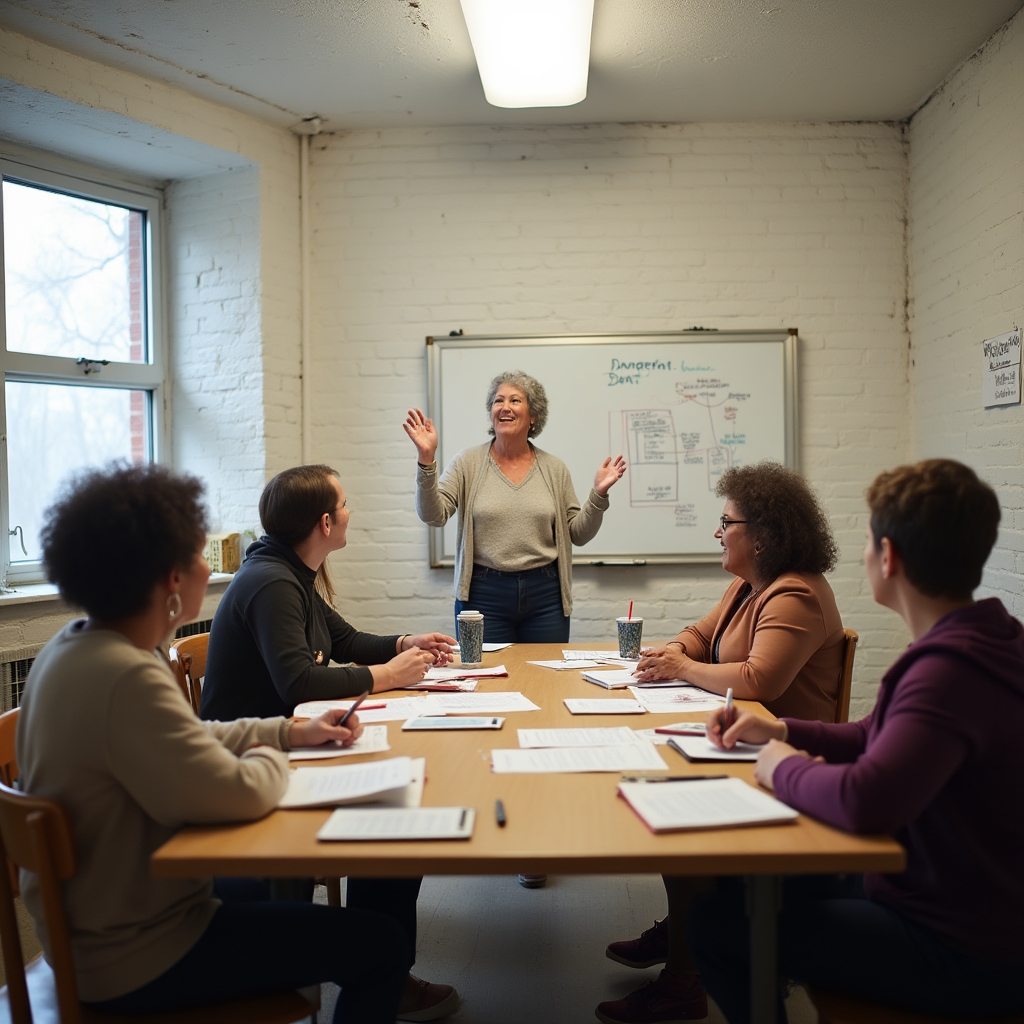 Program development sessions
Designed With Producers, Not For Them
Before writing a single lesson, the team spent time in the field. Literally. Conversations with growers, market vendors, and cooperative managers shaped every module. The goal was to understand what information already gets tracked informally and how to make that process just slightly more structured.
The result is a curriculum that feels familiar. Participants recognize their own situations in the examples. The language is plain. The exercises use real scenarios like a vegetable order from a local restaurant or tracking which tomato variety performed best that season.
See the curriculumBased in Szczecin
The program operates from Szczecin and serves agricultural producers across the Zachodniopomorskie region and beyond. Remote participation is available for those who cannot attend in person.